One calm morning, as soft sunlight stretched across my garden, I was lost in my usual routine of caring for the plants. It was a ritual that brought me peace. The air was cool and fresh, carrying the scent of damp soil and blossoms. Dew sparkled on the leaves, bees hummed lazily, and birds sang from nearby trees. Everything felt steady and ordinary — the kind of morning that promises nothing unexpected.
That’s why I was so surprised when, while trimming a rose bush, I noticed something unusual in the soil. Near the base of the plant sat a small cluster of white, round objects. At first, I assumed they were bits of perlite or small pebbles mixed into the dirt. But something about them seemed too uniform, too perfectly shaped.
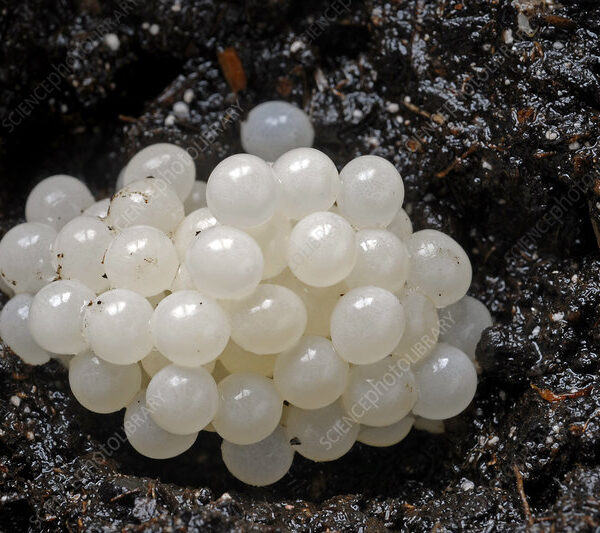
Curious, I leaned closer. The objects were tightly grouped together — smooth, pearl-like spheres with a faint translucence that caught the light. They didn’t look random. They looked placed.
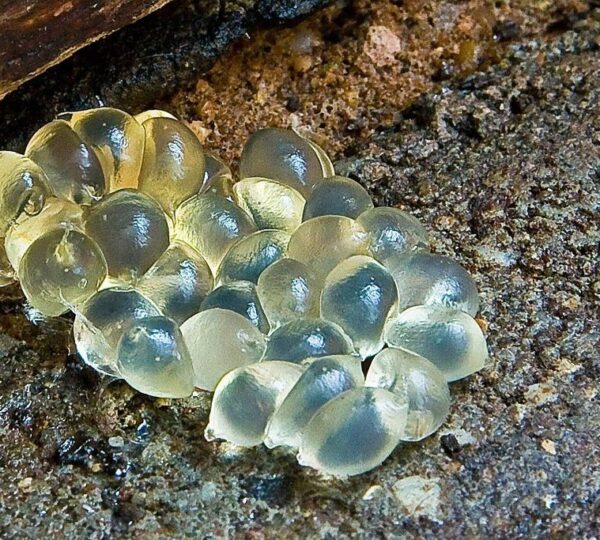
I slipped on my gardening gloves and gently pressed one. It gave way slightly beneath my touch — soft, cool, and gelatinous. That’s when I knew they weren’t stones or debris. They were something biological.
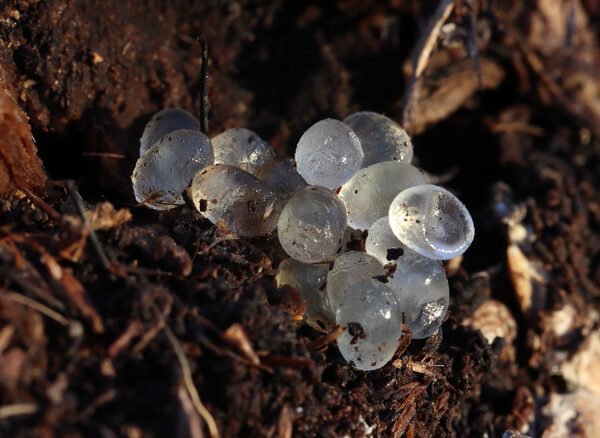
Carefully, I picked up a few and brought them inside for a closer look. Under brighter light, I could see faint dark specks inside some of the spheres — tiny forms suspended within. They were eggs.
But eggs of what?
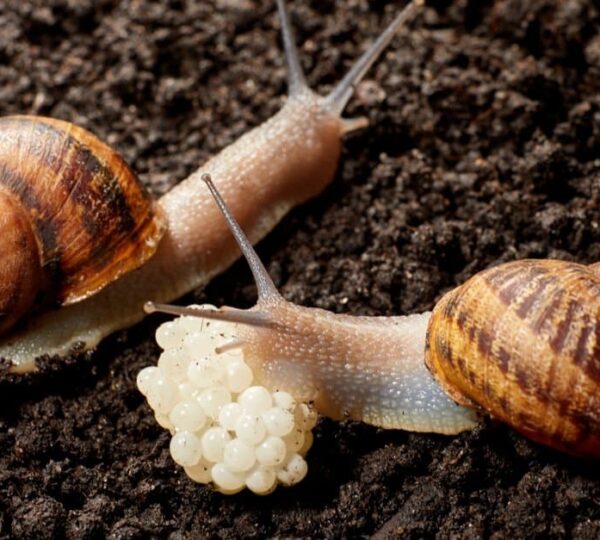
After researching reliable gardening sources, I found the answer: snail eggs. Snails lay clusters of small, white or translucent eggs in moist soil, often in shaded garden beds. In the right conditions, they hatch within weeks, and the young snails begin feeding almost immediately.
At first, I felt a strange sense of awe. It was fascinating to witness life at such an early stage. But that wonder quickly shifted to concern. While snails play a role in breaking down organic matter, they can quickly become destructive in a cultivated garden. Tender leaves, seedlings, and flowers can disappear overnight if their numbers grow unchecked.
Some species can also carry parasites that may pose risks to pets and, rarely, humans. So while the eggs were delicate and almost beautiful, they represented a potential imbalance.
Understanding this, I decided to act responsibly. I returned to the garden and carefully poured boiling water over the area — a method often recommended to prevent the eggs from hatching while limiting environmental impact. I gently turned the surrounding soil, checking beneath mulch and stones for additional clusters.
As I worked, I reflected on how quietly nature operates. The most significant changes often begin unnoticed, hidden just beneath the surface. Those tiny white spheres, no larger than pearls, could have reshaped the health of my entire garden if ignored.
The experience changed me. Gardening became less about routine and more about observation. I began paying closer attention to subtle signs — small holes in leaves, silvery snail trails after rain, shifts in soil texture. I realized that tending a garden means maintaining balance, not just nurturing growth.
What struck me most was how something so fragile and beautiful could also signal potential damage. Nature doesn’t separate beauty from consequence — they often exist together.
Now, when I walk through my garden in the early morning light, I look at the soil differently. Not with worry, but with awareness. Beneath the surface, life is constantly unfolding — seeds sprouting, insects emerging, unseen systems working together.
That small discovery became a quiet lesson: pay attention. The smallest details can carry the greatest impact. And true stewardship begins not with control, but with understanding.
My garden is still my sanctuary. The birds still sing, the bees still hum, and the flowers still bloom. But now, alongside the peace, there’s a deeper appreciation for the hidden world below — full of surprises, delicate balances, and quiet truths waiting to be noticed.