Tattoos have long been a powerful way for people to express themselves, tell personal stories, and showcase artistic creativity. For many individuals, tattoos mark important life events, honor loved ones, or represent parts of their identity that words alone cannot fully explain.
While tattoos often appear decorative, many designs carry deeper meanings that are not obvious to everyone. Symbols, numbers, and patterns can reflect personal experiences, struggles, beliefs, or connections to particular communities or subcultures.
Understanding tattoo symbolism is not about judging people, but about recognizing context. In some cases, tattoos may reveal connections to prison life, gang culture, or past legal troubles, offering insight into someone’s background.
Certain numbers, for example, hold specific coded meanings. The numbers “14” and “88” are sometimes linked to white supremacist ideology and can act as hidden symbols of extremist beliefs, even though they may look harmless to outsiders.
Other tattoos also have hidden symbolism. A spiderweb tattoo, often seen on the elbow, has historically been connected to prison culture and can represent time spent incarcerated or struggles with confinement.
The teardrop tattoo is another widely recognized symbol. While it can represent grief or the loss of a loved one, in some contexts it may indicate time spent in prison or involvement in violent acts, depending on regional traditions and cultural interpretation.
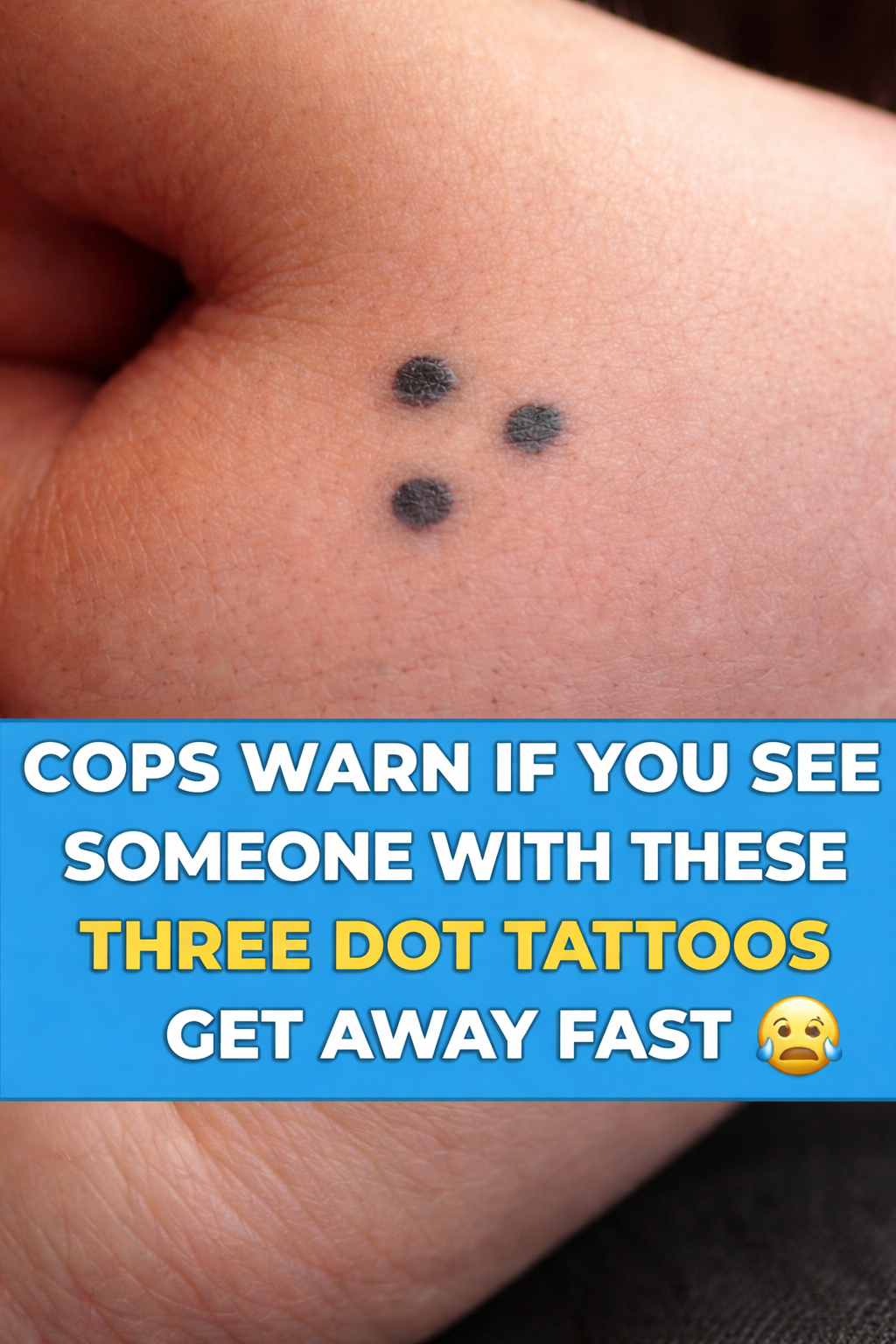
Small designs can also carry strong meanings. Three dots arranged in a triangle are often associated with the phrase “mi vida loca,” meaning “my crazy life,” and are sometimes linked to gang culture or a life lived outside social norms.
A five-dot tattoo, arranged like the five side of a dice, is commonly connected to prison symbolism. The four outer dots represent the prison walls, while the center dot symbolizes the person serving time inside.
Some tattoos clearly signal gang affiliation. For instance, the letters “MS” are commonly associated with the MS-13 gang, while other symbols, numbers, and initials may indicate membership, loyalty, rank, or specific actions within criminal groups.
Although many tattoos are purely artistic or personal, their placement, design, and style can communicate complex messages. For those familiar with these symbols, tattoos can act as identifiers that signal beliefs, experiences, or group connections.
Being aware of tattoo meanings can provide helpful context in everyday life. In some environments, recognizing certain symbols can help people better understand social dynamics or potential risks.
At the same time, tattoos are not inherently negative. They are a form of art and personal storytelling. Many tattoos represent resilience, survival, important life lessons, or personal transformation.
Prison tattoos, for example, often reflect experiences and hardships endured during incarceration. Similarly, gang tattoos may follow specific patterns that signal loyalty or identity within a particular group.
Tattoo meanings can also vary depending on culture and geography. A symbol that seems harmless in one region might carry a very different meaning somewhere else. The teardrop tattoo, for instance, can symbolize mourning in some places while representing prison time or violence in others.
Beyond these interpretations, tattoos remain a deeply personal art form. People use them to commemorate loved ones, mark life milestones, or express creativity through unique designs.
In many ways, tattoos function as a visual language. Every symbol, number, or pattern can communicate identity, history, or experience to those who understand the code.
Ultimately, tattoos reflect a blend of art, culture, and personal narrative. They can symbolize memories, beliefs, struggles, and affiliations, making them one of the most visible and meaningful forms of human expression.
Understanding the stories behind tattoos helps create awareness and cultural understanding, allowing people to see beyond the surface and appreciate the complex meanings that sometimes lie beneath the ink.